Care Guides
-
Your Senior Dog Isn't Ignoring You: What Hearing and Vision Changes Can Look Like at Home
Jul 29, 2026
TendraPaw
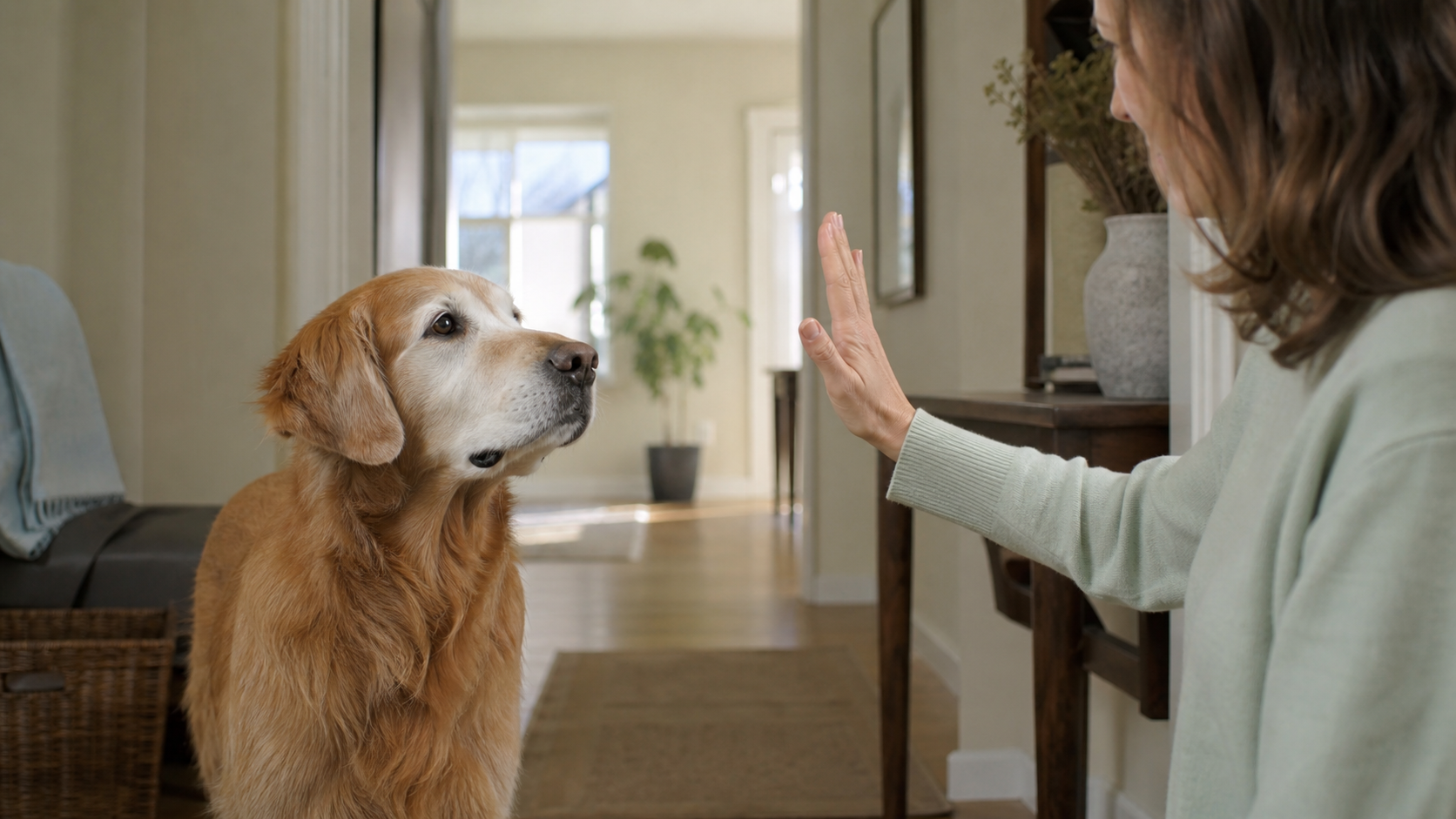
A dog who misses a cue, startles when touched, bumps into furniture, or stops greeting you may be adapting to sensory change rather than “getting stubborn.” Here is what to notice and when to involve your veterinarian.
-
Your Senior Dog Didn't Become "Mean": The Behavior Change You Need to Take Seriously
Jul 29, 2026
TendraPaw
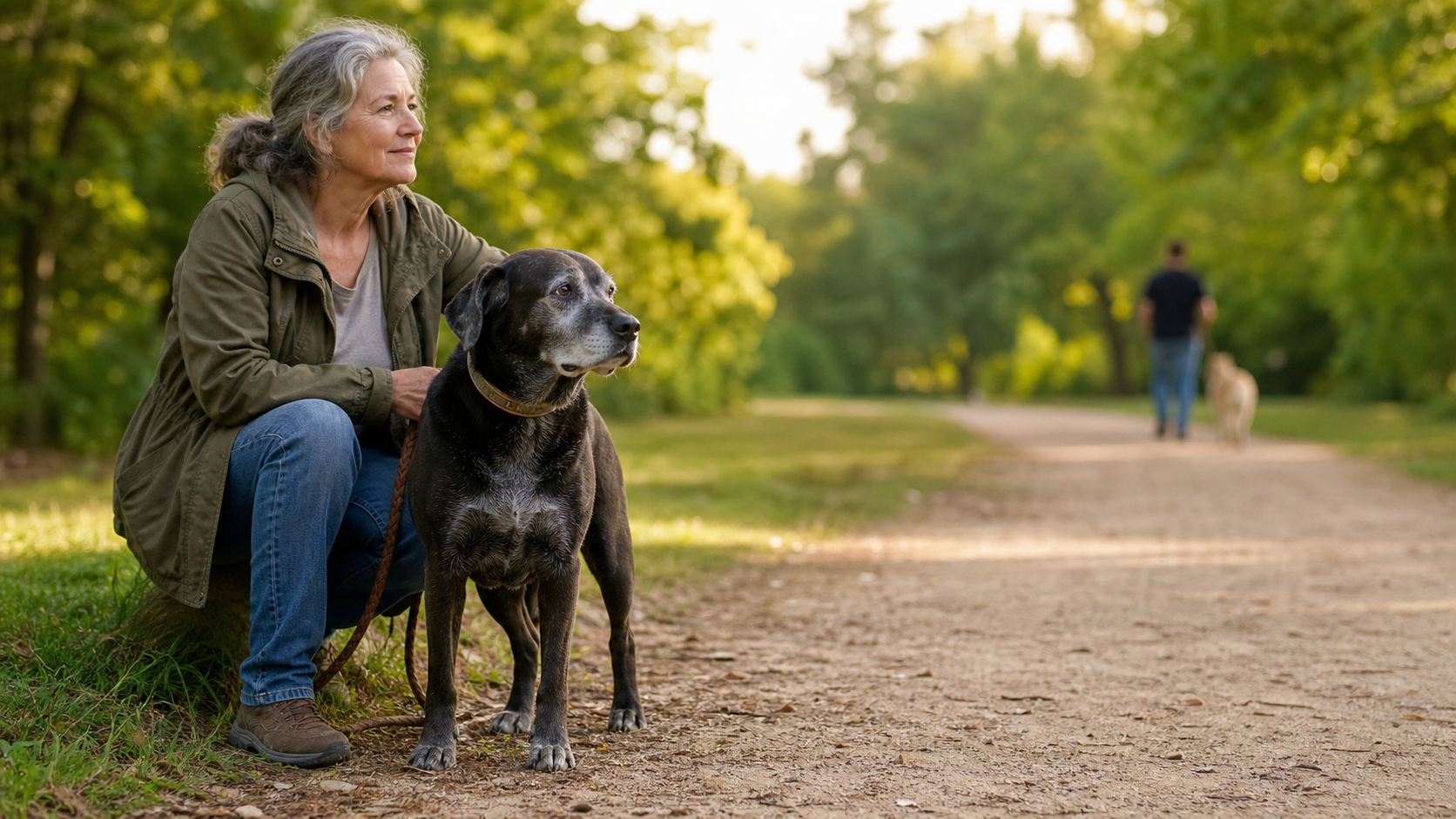
A senior dog who suddenly avoids people, growls when touched, or loses patience with other dogs may be communicating stress, pain, fear, sensory change, or another problem. The answer is not to force socialization or punish the warning.
-
The Worst Response to a Senior-Dog Accident? Punishment.
Jul 29, 2026
TendraPaw
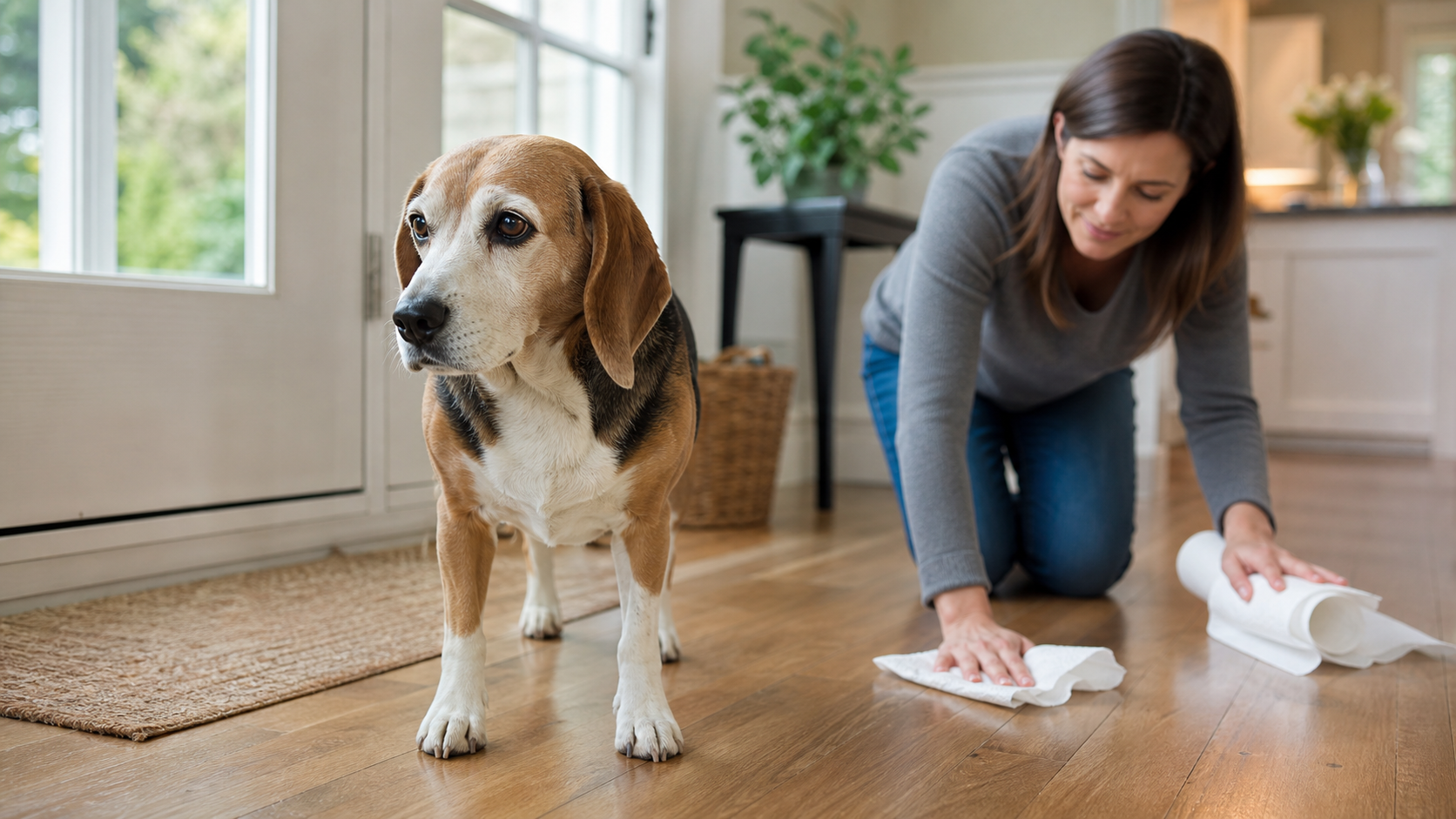
When a reliably house-trained senior dog starts having accidents, it is easy to feel frustrated. But punishment can hide the pattern you and your veterinarian need to understand. Start with observation, cleanup, and a medical conversation.
-
That "Old Dog Breath" Is Not Normal: The Mouth Problem Owners Laugh Off
Jul 29, 2026
TendraPaw
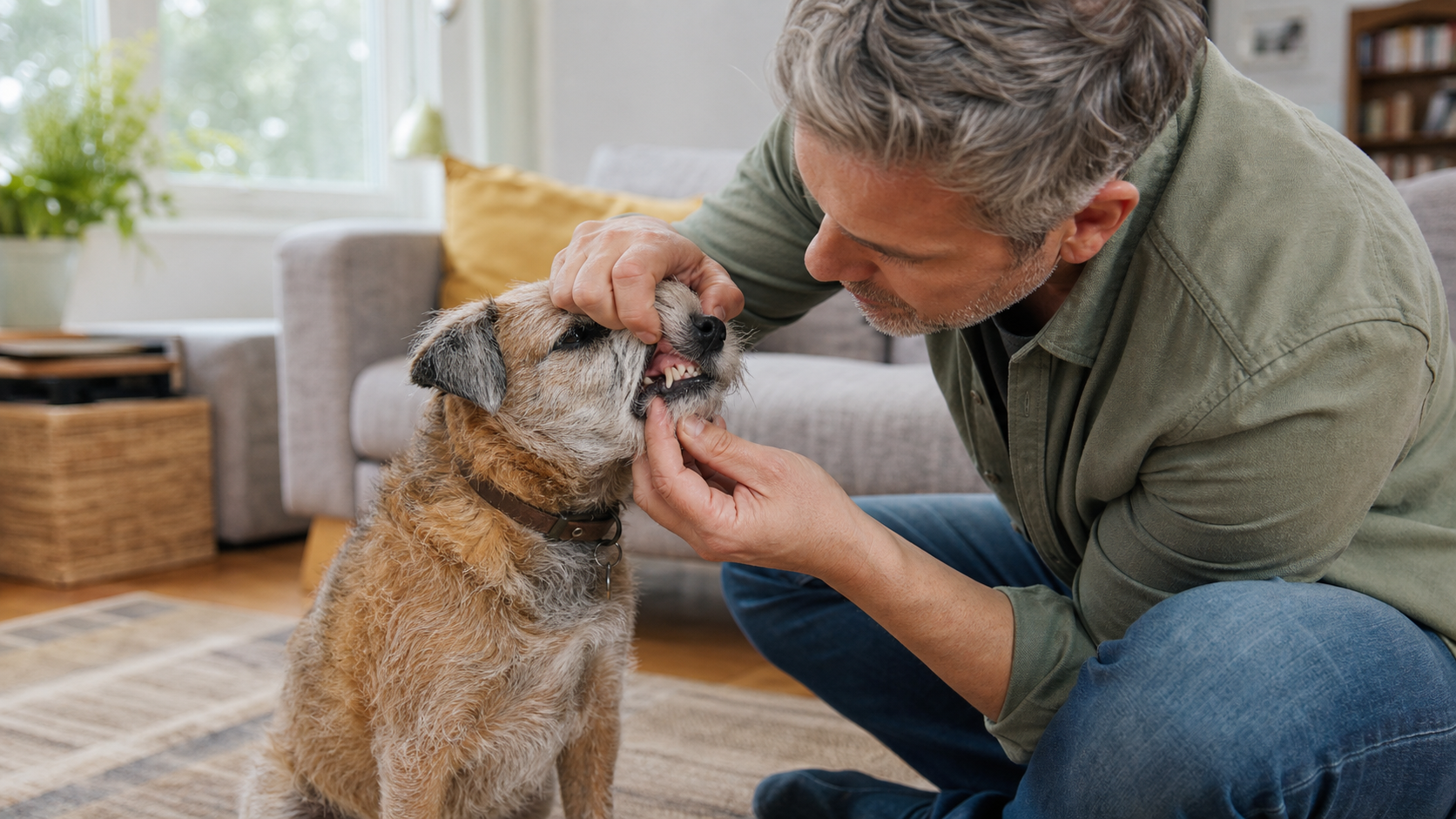
Bad breath is easy to joke about, but it can be one of the first visible signs of dental disease. Learn what changes deserve a veterinary conversation and why an awake glance at the teeth cannot reveal everything below the gumline.
-
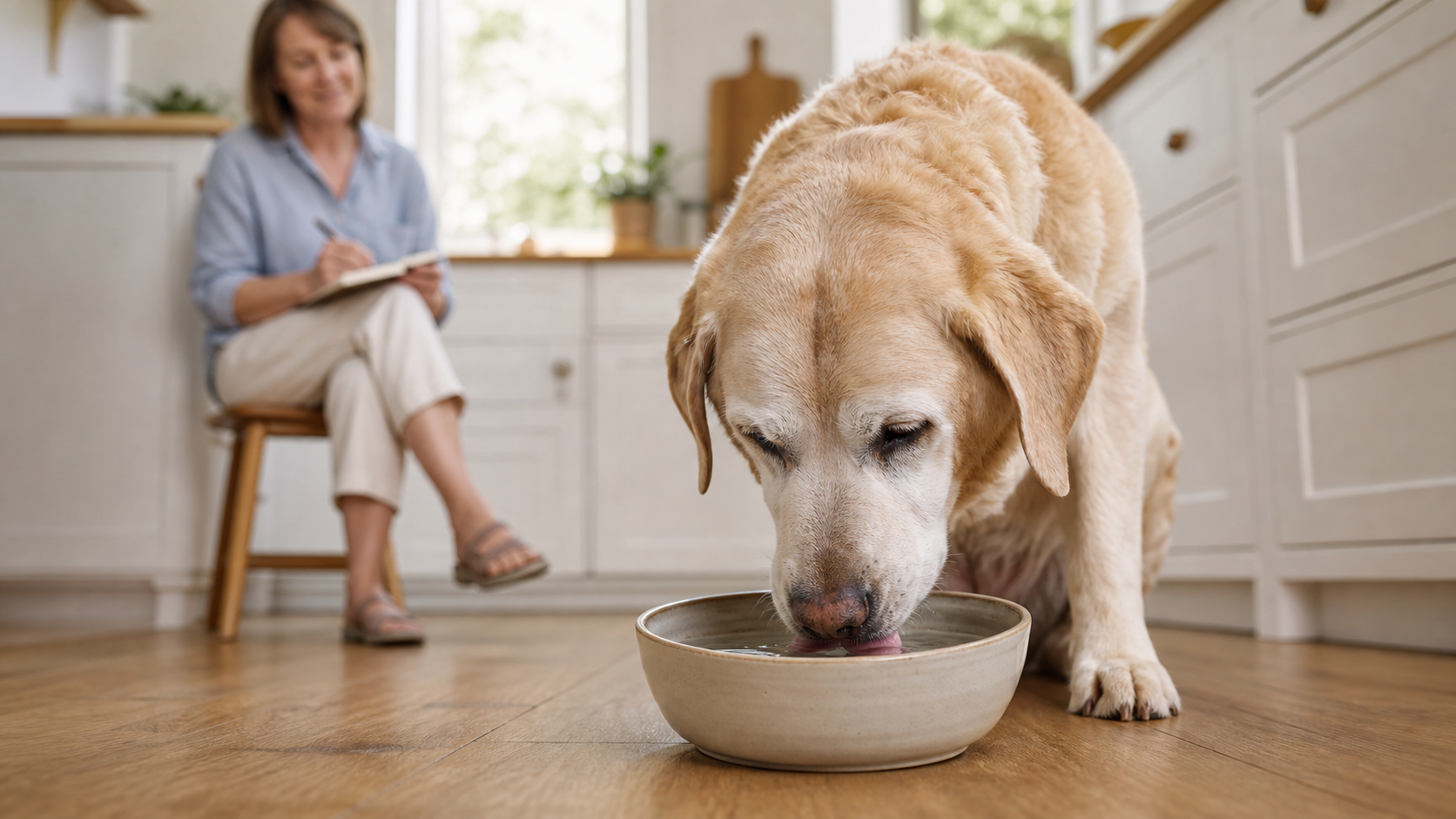
Your Senior Dog Is Drinking More Water? Stop Calling It "Just the Heat"
Jul 29, 2026
TendraPaw
A refilled bowl, extra potty breaks, or new indoor accidents can be easy to explain away. In an older dog, a persistent change in thirst or urination deserves a closer record and a conversation with a veterinarian.
-
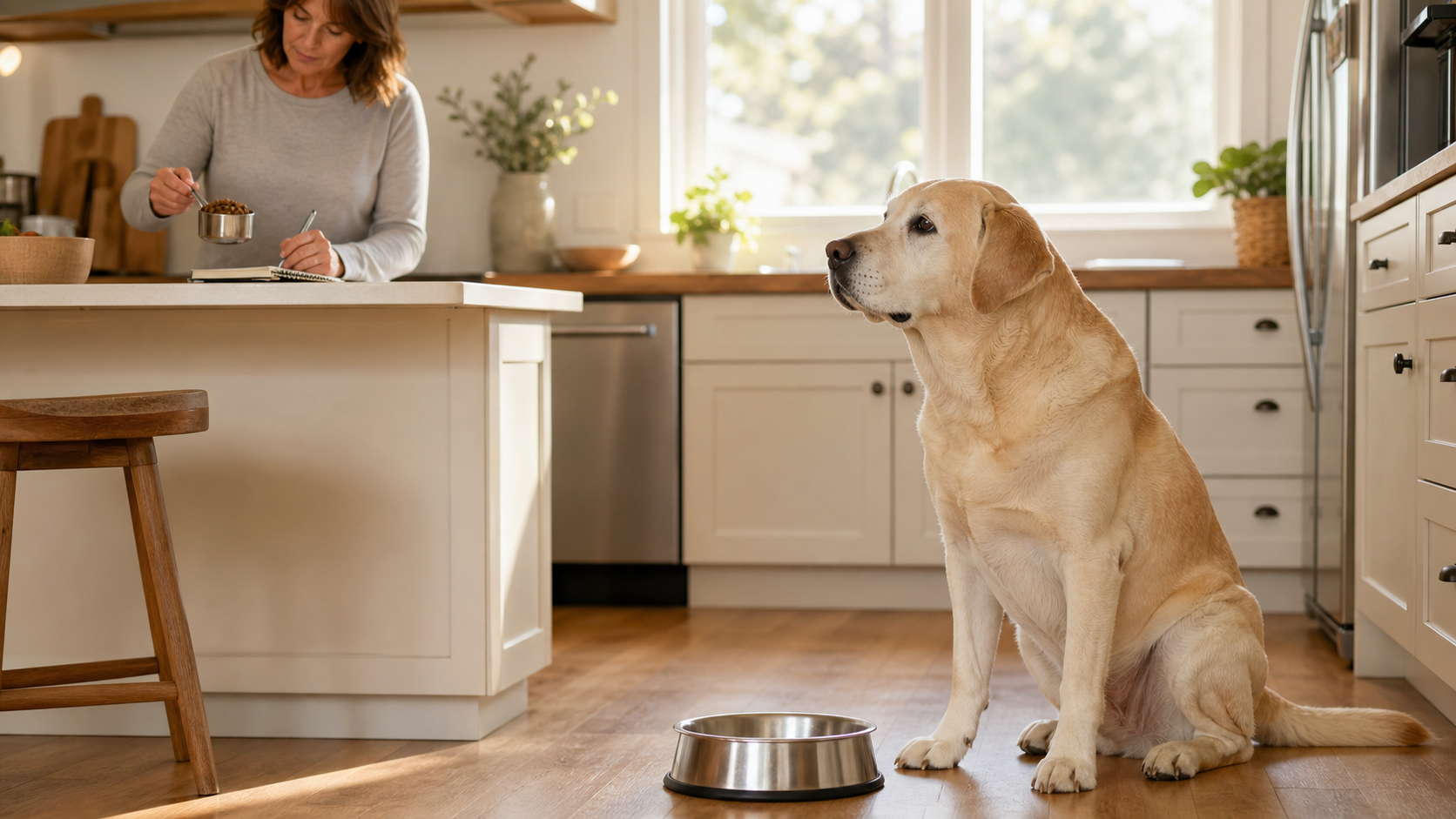
Stop "Boosting" Your Senior Dog's Bowl: The More-Is-Better Trap Can Backfire
Jul 28, 2026
TendraPaw
More protein, more supplements, more toppers, more calories - it can all look like love. But an older dog's nutrition should be guided by body fat, muscle, health conditions, and change over time, not by the idea that more must be better.